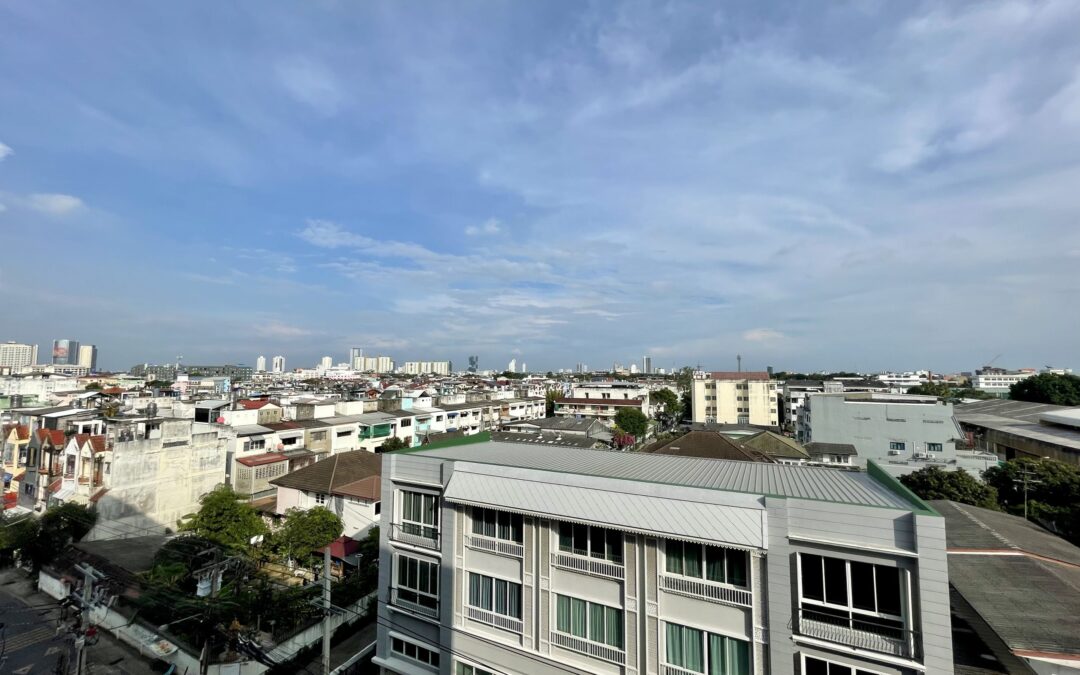
Air quality is part of Bangkok liveability, but it cannot be judged from one viewing or a fixed reputation attached to a district. Conditions change by day, season, weather and nearby activity. A condo buyer therefore needs a repeatable way to read official information and assess how the building manages the indoor environment.
Air quality varies over time, so buyers should combine official monitoring with repeat visits and building checks.
The goal is not to declare one neighbourhood permanently clean or unsuitable. It is to understand exposure, household sensitivity and practical choices. Anyone with asthma, heart or lung disease, pregnancy concerns or other medical questions should follow official health advice and consult a qualified clinician.
Begin with official monitoring
Use Thailand’s official air-quality services and Bangkok’s city information before relying on a social-media screenshot or a single commercial sensor. Check the time, station location, pollutant and averaging period. A reading from another part of the city may not describe the street outside the condo.
Follow conditions over several weeks and across the times the household is active. This creates a better picture than viewing only on a clear afternoon. Save the official channels that residents will use after moving, because air quality is an ongoing routine rather than a one-time property check.
Visit the micro-location repeatedly
Walk the building’s frontage, side streets and route to rail. Note idling traffic, bus stops, loading bays, construction, open-air cooking, generators and the distance from major roads. These observations do not replace monitoring, but they help explain local conditions and daily patterns.
Visit in the morning and evening, on a weekday and after rain if practical. Check whether the lobby doors remain open, where vehicles wait and how air moves through common areas. A higher floor or park view should not be assumed to guarantee a particular indoor reading.
Window seals, ventilation, air-conditioning maintenance and filtration influence the indoor experience.
Inspect the unit as an air system
Check window and balcony-door seals, visible gaps, odours, dampness, mould and the condition of air-conditioning units. Ask whether the system recirculates indoor air, introduces outside air or operates differently by room. A technician can explain the exact equipment and safe maintenance requirements.
Look at the kitchen hood and bathroom exhaust. Ask where they discharge and whether unwanted smells travel between units or corridors. Indoor air can also be affected by smoking, cleaning products, new furniture, pets, cooking and moisture, so an outdoor reading is only one part of comfort.
Ask how the building is managed
The condominium juristic person should be able to explain air-conditioning maintenance in common areas, cleaning schedules, smoking rules, renovation controls and the response to construction dust. Inspect lift lobbies, corridors, gyms and children’s rooms for ventilation, odour and visible maintenance.
Ask how filters are serviced and whether replacement records exist for central systems. Do not assume that a premium lobby means the hidden equipment is well maintained. Building management quality affects whether procedures continue after the sales gallery closes.
Evaluate filtration carefully
Portable air cleaners may be useful for some households, but equipment should be matched to room size, airflow and the pollutants of concern. Check independently verified specifications, replacement-filter availability, noise and electricity use. A device that is too loud to run at night may not support the intended routine.
Air-conditioning filters and particle-removal filters do different jobs. Do not force an unsuitable filter into equipment or block necessary ventilation. Ask a qualified specialist where needed, and follow manufacturer instructions for cleaning and replacement.
Residents can adapt exercise and travel plans using current official readings and health advice.
Plan daily routines around current conditions
Residents can use current readings and official advice to decide when to exercise outdoors, open windows or adjust travel. A building near a park may still offer valuable recreation, but the time and intensity of activity can be adapted when conditions are poor.
Consider the whole journey. A comfortable indoor unit may be undermined by a long exposed walk beside traffic. Covered access, reliable rail, a safe taxi pickup and indoor exercise options can make an air-quality-aware routine easier without giving up urban convenience.
Think about children, older residents and pets
Different household members may have different needs and activity patterns. Families should inspect school transport, play spaces and the route to parks. Older residents may value close healthcare and indoor walking options. Pet owners should examine outdoor access and building rules.
A buyer should not make health assumptions for another person. Use a clinician’s advice for individual concerns and make sure the home supports that advice in practical ways, including space for equipment, easy filter changes and a manageable daily route.
Include air quality in rental and resale thinking
Tenants increasingly ask about window seals, filtration, smoking rules and nearby construction. An investor should answer with accurate building and unit information rather than promising clean air. Well-maintained systems and clear records can strengthen confidence, but they do not create a guaranteed rent premium.
At resale, buyers will compare the whole living experience: location, transport, noise, heat, air, management and cost. Good air-quality preparation is one component of a resilient unit, not a substitute for layout, price or building health.
Air-quality viewing checklist
Track official readings across different days and times.
Walk the exact street, station route and vehicle pickup area.
Inspect windows, doors, dampness, odours and air-conditioning.
Ask about common-area ventilation and filter maintenance.
Review smoking, renovation and construction-dust procedures.
Match any air cleaner to the room and household need.
Plan outdoor exercise and travel using current official advice.
Liveability takeaway
A Bangkok air quality guide should help buyers make measured decisions, not create fear or false certainty. Bangkok remains highly liveable for many foreign residents because of its transport, healthcare, food, culture and services. The right condo adds a well-managed indoor environment and practical routines to those city advantages.
Bangkok will host World Travel & Culture Expo 2026 from 29 to 31 October at IMPACT Mueang Thong Thani. The Tourism Authority of Thailand announced the event with the Tourism Council of Thailand and Guangdong Grandeur International Exhibition Group on 22 July, presenting it as a platform linking tourism, culture, sport, entertainment and creative industries.
TAT and its partners announced the October 2026 expo as a platform for tourism, culture and commercial cooperation.
For foreign Bangkok property buyers, one expo is not a demand forecast. Its relevance is broader: international business events test a city’s venues, hotels, transport, services and ability to connect companies across borders. Repeated delivery can strengthen the ecosystem that makes Bangkok useful as a regional base.
What the October event will include
The 2026 programme is organised around five specialised exhibitions. These cover amusement and water parks, billiards and indoor leisure sport, LED and entertainment technology, film and virtual-production equipment, and intellectual property within the creative industries.
That mix goes beyond a consumer travel fair. It brings together destination operators, technology providers, content businesses, investors and professional networks. TAT says it will promote international participation and help connect Thai firms with investment, technology and creative-industry partners.
A Thai-Chinese business platform
The event reflects cooperation between Thai organisations and a Guangdong-based exhibition group. The official announcement also links the expo with a Chinese policy encouraging enterprises to expand internationally and build tourism, business and investment cooperation across Thailand, China and ASEAN.
For Bangkok, this matters because the city is not only a destination. It is also a place where regional relationships are introduced, negotiated and serviced. Hotels, meeting venues, professional advisers, retail, restaurants and transport all participate in that business-event economy.
The launch programme considered tourism safety, sustainability, visitor experience and immersive technology.
Why the previous edition provides context
According to the organisers, the 2025 edition featured 300 exhibition booths, brands from 23 countries and participants from 36 countries. They also reported a high success rate for negotiations and partnerships. Those figures provide a benchmark, although the 2026 outcome should be judged after attendance and commercial results are known.
The useful signal is continuity. A returning international event can deepen supplier knowledge, encourage repeat attendance and make Bangkok easier to choose for future meetings. Venue performance and participant experience will matter more than promotional numbers alone.
Creative industries broaden Bangkok’s economy
Film technology, virtual production, entertainment systems, attractions and intellectual property sit at the intersection of tourism and the creative economy. These sectors bring skilled work, studio and office requirements, visiting specialists, exhibitions and commercial partnerships.
Property investors should treat that as city-level economic diversity, not a direct instruction to buy a condo beside an event hall. The stronger long-term case is that Bangkok can host conventional corporate activity while also supporting media, design, entertainment, hospitality and technology networks.
The event links Thai and Chinese organisations with regional tourism, technology and creative-industry networks.
The property connection is indirect
International exhibitors and visitors support short-stay accommodation, venues, transport, dining and retail. Businesses that establish continuing Thai relationships may later create longer stays, offices or staff movement. These channels can reinforce confidence in Bangkok as a globally connected city.
Normal condominium investment still depends on lawful long-term residential demand. Buyers should not assume daily letting, event-driven occupancy or a guaranteed rental uplift. Building rules, Thai law, tenant profile, unit quality and pricing remain the decisive property evidence.
What buyers can monitor
Watch the confirmed international participation, exhibitor mix, business-matching programme and post-event results. Consider how attendees move between IMPACT, airports, central business areas and hospitality districts. Evidence of repeat events and continuing partnerships is more meaningful than a single launch announcement.
At unit level, favour locations that work throughout the year for residents. Rail or road access, employment, healthcare, retail and well-managed buildings provide a more durable foundation than proximity to one calendar event.
Avoid capitalising headlines into prices
The expo is a constructive sign of institutional coordination and Bangkok’s event capability, but it does not remove economic or property risk. Participation can change, commercial outcomes take time and international events compete for corporate budgets.
An investor can add WTCE 2026 to Bangkok’s wider connectivity evidence while continuing to demand a sensible purchase price, realistic rent, reserve for costs and a clear resale audience. Confidence is most useful when it improves due diligence rather than replacing it.
Property takeaway
World Travel & Culture Expo 2026 presents Bangkok as a meeting point for tourism, technology, sport and creative commerce. For foreign property buyers, the announcement supports the city’s regional-business narrative, but the investment decision must still be won by the exact district, building and unit.
Bangkok feels different before the hottest and busiest part of the day. Parks are active, food stalls and markets settle into rhythm, cafés prepare for commuters and rail journeys begin to reveal how a neighbourhood actually works. A morning visit can therefore be one of the most useful tests in a condo search.
Morning access to parks and open space can turn exercise into a repeatable routine rather than a weekend plan.
Foreign buyers often view apartments in the late morning or afternoon, when a sales appointment is convenient. That can hide the routine that matters most to residents: waking light, breakfast, exercise, school traffic, the first commute and the route back to the lobby carrying groceries.
Start inside the unit
Visit early enough to understand natural light and heat. Check whether the bedroom becomes bright before the resident wants to wake, whether curtains provide enough control and whether the kitchen and living room feel pleasant without artificial lighting.
Listen with the air-conditioning and television off. Morning traffic, school activity, construction, temple sounds, deliveries and building housekeeping may be different from the afternoon soundscape. The aim is not silence; it is a level and pattern that fit the household.
Test the first ten minutes outside
Walk from the apartment to the street as a resident would. Note lift waiting, lobby traffic, service movement, taxi pickup and the condition of pavements or covered routes. A building can have excellent facilities and still create daily friction if leaving it during the weekday peak is awkward.
Check whether coffee, breakfast, convenience shopping and basic services are genuinely usable at the time needed. Opening patterns can change, so inspect the current neighbourhood rather than relying on an old listing description.
Make exercise easy enough to repeat
A good gym, pool, park or walking loop adds most value when residents can use it without complicated planning. Inspect the condominium gym during a realistic morning period. Check crowding, equipment condition, ventilation, changing areas and whether the space suits the intended routine.
For outdoor exercise, follow the entire route. A park shown on a map may require crossing busy roads or walking along an uncomfortable section. Shade, lighting, crossings, dogs, surface quality and access gates can matter more than the straight-line distance.
Local food and grocery access can make the first hours of the day practical, social and distinctly Bangkok.
Use food access as a liveability test
Bangkok’s markets, street vendors, bakeries, cafés and supermarkets allow different morning routines. Some residents want a quick coffee beside BTS; others want fresh produce, cooked Thai breakfast or a quiet table for an early meeting. The right district is the one where the preferred routine is easy on an ordinary weekday.
Buy a small grocery basket and carry it back to the unit. This simple exercise tests crossings, heat, lift access, kitchen storage and whether the neighbourhood supports regular cooking. It can reveal more than a list of nearby amenities.
Observe school and office traffic
Morning congestion can change a street completely. Families should examine school transport, drop-off queues and the route from lobby to car or rail. Professionals should test whether the walk to BTS or MRT remains comfortable when other commuters, deliveries and motorbikes are active.
A short mapped distance is not the same as a predictable journey. Measure the door-to-platform route, including lifts, ticket gates and crossings, and repeat it on the day and time most relevant to the household.
The most useful condo locations make the morning journey legible in heat, rain and weekday traffic.
Check heat and rain resilience
Even early mornings can be warm, and rain can arrive when residents are leaving for work or school. Look for shade, awnings, drainage, safe crossings and places where taxis can stop without blocking traffic. A covered connection may be more valuable in daily life than a slightly shorter exposed walk.
Inside the building, consider where umbrellas dry, whether wet shoes can be managed and whether lobby floors become slippery. These small design and management details influence how premium a residence feels during real weather.
Consider household differences
A single professional may prioritise fast rail access and coffee. A family may need breakfast, school logistics and space for bags. A retired resident may value a safe park route, pharmacy and quieter pace. A frequent traveller may care about early airport departures and luggage movement.
Investors should choose a likely resident profile before treating morning convenience as a rental advantage. A feature only supports rent when the target tenant will use it and the unit, building and price already make sense.
Morning-viewing checklist
Inspect bedroom light, heat and noise early in the day.
Time the lift, lobby and exit route during weekday activity.
Walk to rail, breakfast, groceries and exercise options.
Observe school, office, delivery and drop-off traffic.
Test shade, crossings, drainage and wet-weather access.
Carry a normal purchase back to the kitchen and storage.
Match the routine to the likely resident or tenant.
Liveability takeaway
Bangkok morning living shows whether a condo supports habits rather than just aspirations. When exercise, food, transport and household logistics fit together, the city can feel exceptionally convenient, energetic and liveable for foreign residents.
Laundry is a small part of a Bangkok condo viewing, but a large part of living in the unit. Expat residents quickly notice whether the washer is easy to use, damp clothes have somewhere sensible to dry, household linen can be stored and nearby services fit the working week.
A workable laundry routine depends on space, ventilation, equipment and the household’s normal week.
For buyers, laundry planning is also an investment check. An awkward utility corner can create humidity, noise, maintenance calls and clutter. A practical setup helps residents settle into the unit and can make a furnished rental easier to manage.
Start with the household routine
A single professional, a couple, a family and a frequent traveller will use the space differently. Estimate how often clothes, towels and bedding need washing, whether workwear requires pressing, and whether residents prefer home washing, self-service machines or collection and delivery.
Do not design around an ideal quiet week. Consider gym clothing, rainy days, guests, children, larger bedding and the periods when a resident returns from travel with several loads at once.
Inspect the washer position
Check the available width, depth and door clearance before assuming a preferred appliance will fit. Look at water supply, drainage, electrical connection, floor condition and access for repairs. A machine squeezed under a counter may be difficult to remove when servicing is needed.
Operate the existing washer with permission and ask about age or maintenance history where available. Listen for vibration and consider whether it sits beside a bedroom, desk or neighbouring wall. The most attractive cabinet arrangement is not always the easiest to maintain.
Washer position, storage and drying space should be tested before furniture and luggage fill the unit.
Plan drying for Bangkok conditions
Balcony drying may be useful, but building rules, rain, dust, road exposure, privacy and heat affect how practical it is. Confirm what can be placed on the balcony and whether rails, facade elements or common views are subject to restrictions.
Indoor racks need airflow and a position that does not block circulation. A combined washer-dryer or separate dryer may suit some households, but buyers should check ventilation, electrical capacity, heat and manufacturer requirements. Avoid creating moisture problems by drying repeatedly in a closed room without a suitable plan.
Look for storage and work surfaces
Laundry needs space for detergent, baskets, hangers, an iron, cleaning cloths and spare linen. Check whether these items can be stored safely away from food and children. A shallow cupboard may look neat in photographs but fail once normal supplies are added.
A small folding surface and a place for clean items can prevent the dining table or sofa from becoming the permanent laundry station. In compact units, furniture that supports more than one task can help, provided it does not obstruct exits or ventilation.
Use services strategically
Bangkok offers laundries, dry cleaners, pressing services and pickup or delivery options across many districts. Residents should compare convenience, garment handling, communication, turnaround and building access rather than choosing only on headline price.
Walk the neighbourhood to see what is genuinely close, and ask how deliveries are received. Some condos allow easy lobby collection; others have specific vendor access or parcel procedures. A nearby reliable service can compensate for a compact unit, particularly for workwear, bedding or occasional large loads.
Building rules, delivery access and nearby services can make laundry noticeably easier for residents.
Check building facilities and rules
Some condominiums have shared laundry rooms, while others rely entirely on in-unit equipment and outside services. Inspect any shared facility for access, cleanliness, security, payment method, opening hours and machine condition. Confirm whether residents can leave items unattended and how faults are reported.
Owners should also ask about water leaks, drainage complaints and contractor access for appliance repair. Clear procedures matter when the owner is overseas or the unit is tenanted.
Landlord considerations
A furnished rental should state which appliance is provided, its condition and who handles routine care or repairs under the lease. Keep the model information and instructions, and photograph the machine at handover. A tenant should know how to report a leak quickly and where the water can be isolated if appropriate.
Choose equipment that fits the target tenant and can be serviced without dismantling half the kitchen. A premium resident may expect stronger capacity or drying convenience, while a compact urban unit needs simple, durable operation and nearby service support.
Laundry viewing checklist
Measure appliance space, door swing and service access.
Check supply, drainage, power and signs of past leakage.
Test noise and vibration with permission.
Confirm balcony and facade rules for drying.
Identify a ventilated indoor option for wet weather.
Find storage for supplies, linen and cleaning equipment.
Inspect shared facilities and nearby services.
Record appliance condition in a rental inventory.
Liveability takeaway
A well-planned laundry setup will not sell a Bangkok condo on its own, but a poor one can make daily life unnecessarily difficult. Foreign buyers should test the appliance, drying route, storage, building rules and local services as part of the real household routine.
Bangkok libraries and reading spaces give expats more than a quiet place with books. They can provide cultural orientation, children’s routines, community events, study areas and an alternative to spending every free hour in a café or shopping mall.
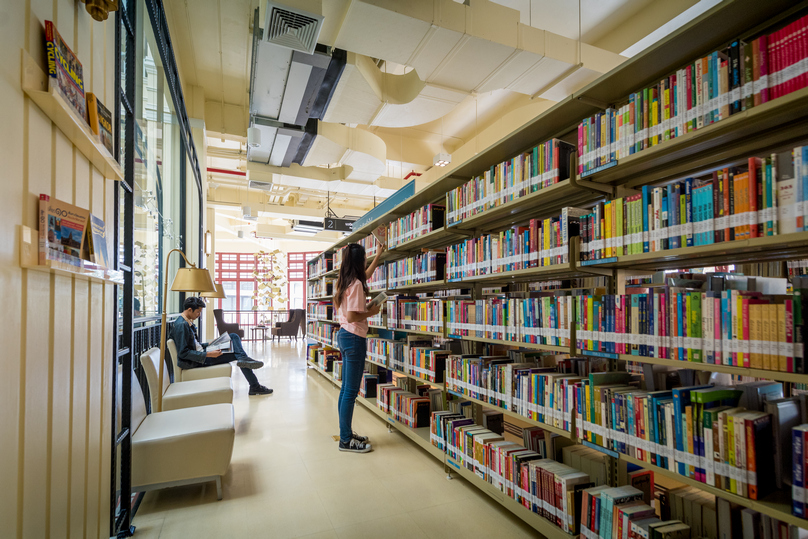
Bangkok City Library combines reading areas with exhibitions and learning spaces for residents and visitors.
For condo buyers, access to these spaces is a useful liveability test. A home may be close to work yet feel disconnected from the activities that make a long stay rewarding. Libraries, bookshops and learning venues help reveal whether a neighbourhood supports curiosity, family life and time away from the unit.
Bangkok offers several kinds of reading space
The city’s options range from public libraries and historic membership institutions to university collections, art-centre libraries and book-led retail spaces. They serve different needs. Some prioritise borrowing and research, while others combine reading with exhibitions, talks, food or informal work.
Before choosing a regular venue, check current access conditions, identification or membership requirements, language coverage, opening arrangements and policies for laptops, calls and children. These details can change, and a beautiful room is not automatically suitable for every routine.
Bangkok City Library: a civic learning space
Bangkok City Library stands on Ratchadamnoen Klang Road in the historic centre. Official government information describes reading, magazine, children’s, exhibition and foreign-language areas, making it relevant to adults, students and families exploring the city.
Its location encourages visitors to combine reading with an understanding of older Bangkok, nearby civic architecture and cultural sites. For residents farther east, the trip may be a planned weekend activity rather than a daily walk, so the full transport route matters more than district prestige.
Neilson Hays Library: books, heritage and community
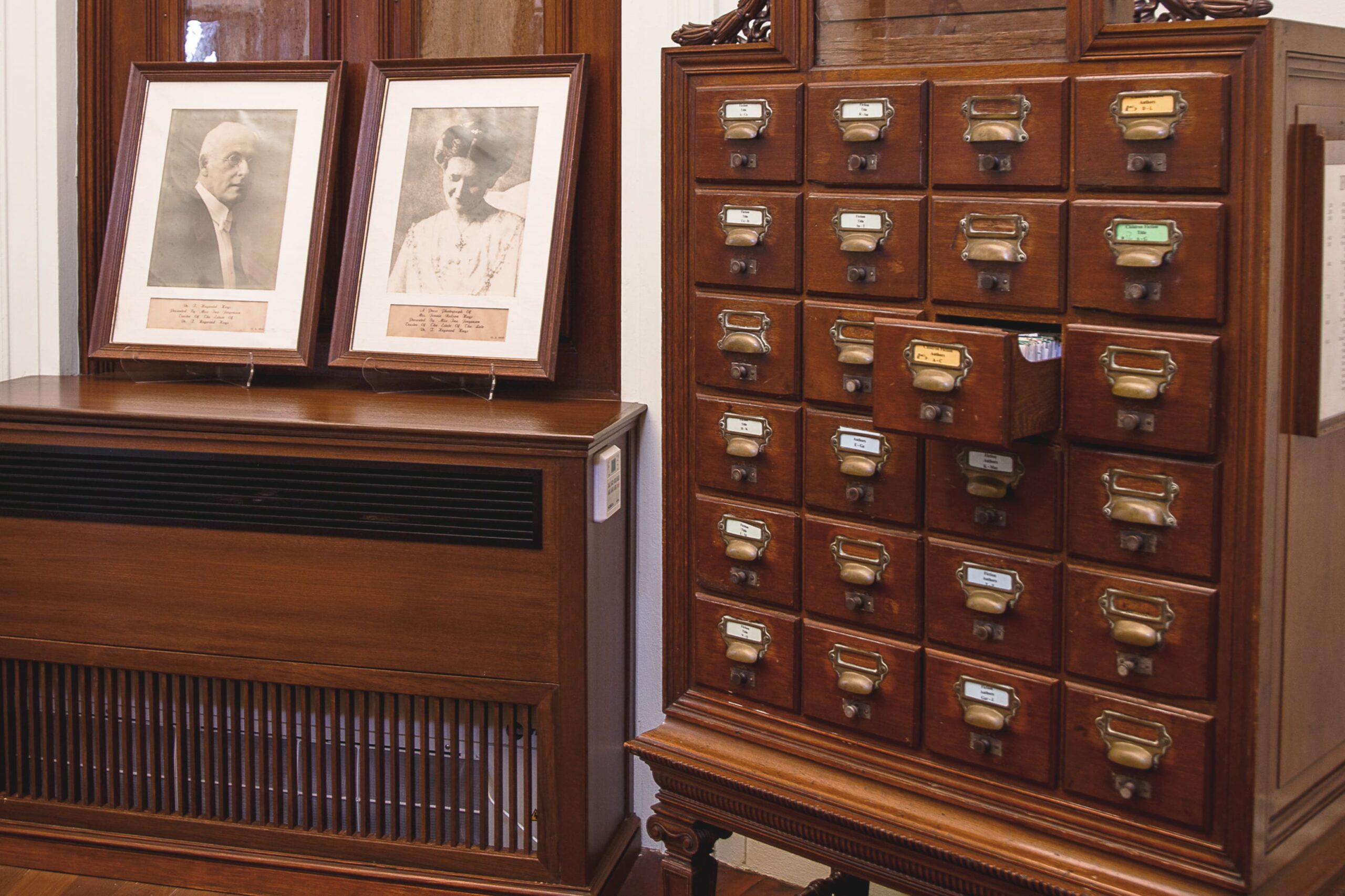
Neilson Hays Library on Surawong Road has served Bangkok’s English-reading community since the nineteenth century, with its present neoclassical building opening in 1922. The institution’s own history presents it as both a library and a continuing cultural hub.
For expats in Bang Rak, Silom and Sathorn, it demonstrates how a neighbourhood amenity can combine international accessibility with local heritage. Membership, events, children’s activities and exhibitions can turn a reading habit into a social connection rather than an isolated pursuit.
Neilson Hays Library adds English-language reading, heritage architecture and community programmes to the Surawong area.
Open House: reading inside a mixed-use destination
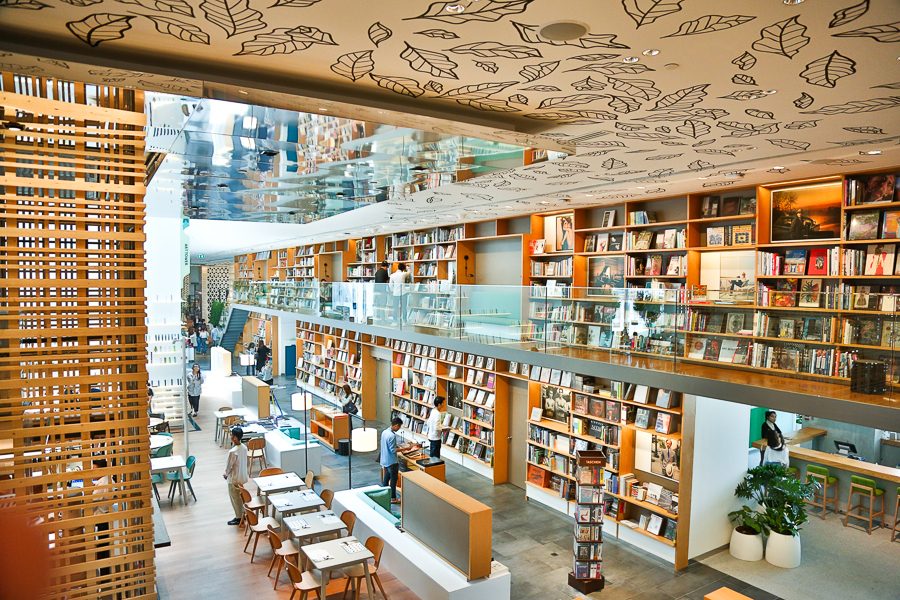
Open House at Central Embassy combines a bookshop and co-thinking areas with dining, art and other leisure uses. It is not the same as a public lending library, yet it can suit residents who want books, informal work and meetings in one centrally connected environment.
This kind of retail-led space also illustrates a Bangkok strength: useful third places can sit directly above rail connections and beside offices, hotels and homes. The trade-off is that atmosphere, seating and noise may vary by time, event and visitor volume.
Open House at Central Embassy shows how bookshops, co-thinking areas, dining and retail can share one premium urban setting.
Match the venue to your real routine
A family may prioritise children’s collections, toilets, food options and an easy journey home. A remote worker may care about dependable seating, power, quiet and call rules. A researcher needs collection depth and access permissions, while a casual reader may value atmosphere and nearby errands.
Visit at the time you are most likely to use the space. Test the door-to-seat journey, including the walk from rail or bus, shade, road crossings and evening return. A venue that requires several inconvenient transfers may remain an occasional pleasure rather than a weekly habit.
Use reading access to compare condo locations
Add cultural and learning access to the normal location scorecard beside commute, food, healthcare, green space and total housing cost. The aim is not to buy beside one favourite venue, which may change, but to choose a district with several workable options.
A rail-connected condo can widen the practical cultural radius of home. Conversely, a short map distance can be misleading when crossings, heat or limited pavements make the journey uncomfortable. Test the route rather than relying on a property brochure’s list of nearby landmarks.
Why this matters to landlords
Libraries and reading spaces will not determine rent by themselves, but they can strengthen the lived experience around a home. They may appeal to families, educators, students, creative professionals and long-stay residents who value more than nightlife and shopping.
Landlords should describe such access accurately and avoid promising membership, seats or opening hours. The stronger rental proposition remains a suitable unit with good management and transport, supported by a neighbourhood that offers varied reasons to stay.
Reading-space liveability checklist
Identify public, membership and retail-led options.
Confirm present access and programme information directly.
Check language coverage and children’s facilities.
Visit at the hour you expect to use the venue.
Test rail, bus and walking connections both ways.
Compare quiet, seating, power and call policies.
Look for several alternatives rather than one landmark.
Score cultural access alongside essential daily needs.
Living near a Bangkok fresh market can make a condominium feel connected to the city in a way a destination mall cannot. Residents gain access to seasonal produce, prepared food, household basics and familiar local routines. For buyers, the useful question is not simply whether a market appears on the map, but whether it improves everyday life.
A useful food-shopping routine may combine a local market, supermarket and convenience shop rather than depend on one destination.
Markets differ in opening hours, product mix, cleanliness, ventilation, access and surrounding traffic. A morning market may be finished before an office worker returns home, while an evening market may bring noise or blocked pavements. The right choice depends on the resident’s schedule and cooking habits.
Map the full food-shopping routine
List what the household buys weekly: fruit, vegetables, meat, seafood, prepared meals, imported ingredients, drinking water and household supplies. Then identify which items the local market handles well and which still require a supermarket, specialist shop or delivery service.
A mixed routine is often more resilient than relying on one retailer. A fresh market may cover produce and quick meals, a supermarket may provide labelled packaged goods and imports, and a convenience store may handle late-night essentials. Judge how comfortably all three fit around home and work.
Visit at the hour you would actually shop
Opening times listed online can be approximate, and individual vendors may keep different schedules. Visit early, at the intended weekday shopping time and near closing. Observe which stalls are active, how replenishment works and whether the preferred products are still available.
Repeat the journey during rain and after dark. Shade, drainage, lighting and road crossings can turn a short distance into an inconvenient trip. If carrying several bags, test the route back to the building entrance, including steps, lifts, security gates and any shuttle connection.
Use visible food-safety cues
Bangkok authorities oversee food sanitation standards, but buyers should still use ordinary judgement at each market and stall. Look for clean work surfaces, separation of raw and cooked food, suitable temperature control, protected ingredients, hand-washing arrangements and orderly waste handling.
Choose busy vendors whose turnover and practices you can observe. Ask questions where language allows and store food safely after purchase. Sensitive households may prefer a larger share of labelled supermarket products while gradually learning which market vendors suit them.
Market access adds value when the kitchen, storage and resident's cooking habits can make practical use of it.
Check whether the condo kitchen supports the habit
Frequent fresh shopping works best with practical refrigeration, dry storage, preparation space and easy cleaning. A beautiful compact kitchen may struggle with large produce bags, strong cooking aromas or limited waste space. Measure shelves and appliance clearances rather than judging photographs.
Review ventilation and the building’s cooking rules. Some residents mainly buy prepared food and need less equipment; others require a proper hob, extraction and freezer capacity. A buyer should not pay a market-access premium for a unit that makes the intended food routine difficult.
Balance convenience against street activity
A market can create morning deliveries, motorcycle traffic, refuse collection, smells and busy pavements. These may be part of an enjoyable urban atmosphere at street level but intrusive beside a low-floor bedroom. Visit the unit when trading, setup and cleanup are taking place.
Check pickup points and parking if vendors attract vehicles. Ask residents or building staff about recurring congestion without assuming one conversation is conclusive. A unit facing away from the street may experience the same location very differently from one directly above market activity.
Consider heat, rain and carrying distance
Fresh ingredients and prepared food need a sensible journey home in Bangkok’s climate. A covered route, quick crossing and short lift journey can matter more than a nominal distance. Residents buying chilled or frozen items may need an insulated bag and a plan to return directly.
During heavy rain, open-air routes and low-lying streets may be harder to use. Observe drainage, shelter and alternative access. The strongest location offers more than one workable option, such as a market for normal days and a covered supermarket route when conditions are difficult.
Understand how markets shape neighbourhood character
Markets create repeat encounters and a sense of local rhythm. They can help new residents learn common foods, practise everyday Thai and discover nearby services. This cultural value is real, but it should be approached respectfully: allow room for established routines and avoid treating a working market as a tourist display.
For landlords, nearby food options can support tenant appeal, especially where they complement transport and office access. Describe the convenience accurately rather than promising a universal lifestyle. Different tenants place different value on local food, premium supermarkets and delivery.
Compare the location as a whole
Do not let one attractive market outweigh poor transport, difficult walking, weak building management or an unsuitable unit. Score grocery access alongside commute, healthcare, green space, noise, flood exposure, security and total housing cost.
If buying for investment, ask whether the likely tenant can use the market at its actual opening hours. A weekday morning market may be valuable to retirees or home workers but less relevant to someone who leaves early and returns late. Practical fit is more persuasive than a generic lifestyle claim.
Fresh-market liveability checklist
Visit during the hours you expect to shop.
Check product range, cleanliness and temperature control.
Walk home carrying realistic bags.
Repeat the route in rain and after dark.
Assess setup, delivery and cleanup noise from the unit.
Confirm kitchen ventilation, storage and waste arrangements.
Identify supermarket and convenience alternatives.
Match the amenity to the likely resident or tenant.
Bangkok condo comfort is not defined by air-conditioning alone. Sun exposure, glazing, room depth, shade, airflow, humidity and equipment condition all influence how a home feels through the day. Expat buyers should test thermal comfort before committing, especially if they work from home or travel frequently.
Direction, surrounding buildings and exposed glass can change how heat reaches a unit through the day.
A cool five-minute viewing proves very little when the system has been running before arrival. The aim is to understand how the exact unit gains and loses heat, how efficiently occupied rooms can be cooled and what happens when the home is closed for several days.
Visit when heat exposure is visible
Ask which direction the main windows face and return when direct sun is likely to affect them. Observe warm glass, heated walls, glare and rooms that remain uncomfortable after cooling starts. Nearby towers, balconies and fixed shading can change exposure floor by floor.
Do not judge orientation from a compass label alone. A corner unit may receive sun from more than one direction, while a recessed window may be protected. Note where curtains or blinds are essential and whether they reduce the natural light that attracted you.
Test the whole layout
Stand in the kitchen, bedroom, work area and bathroom, not only under the living-room air conditioner. Long plans, closed doors and poorly placed equipment can create uneven temperatures. Check whether cooling one occupied zone requires conditioning the entire unit.
Room use matters. A sunny space may work as an occasional dining area but become tiring as a daily office. A bedroom that cools slowly can affect sleep even when the living room feels comfortable.
Room depth, doors and air-conditioning positions determine whether cooling reaches the spaces people actually use.
Inspect air-conditioning condition
Ask for maintenance history where available and operate each unit with permission. Listen for unusual noise, check airflow and look for staining, dripping or damaged insulation. A professional inspection can assess performance and installation more reliably than a short viewing.
Confirm who maintains equipment during a tenancy and how condensate lines are accessed. Replacement cost and disruption should be included in the ownership plan, particularly where outdoor units or service routes are difficult to reach.
Understand airflow without making unsafe changes
Openable windows and balcony doors may help at suitable times, but outdoor heat, rain, pollution, insects and security affect when natural ventilation is practical. Check screens, seals, door operation and the building’s facade rules before planning alterations.
Internal airflow should not depend on propping open fire doors or changing common areas. Fans can improve perceived comfort in some rooms, but placement, noise and electrical access need to suit the layout.
Look for humidity and moisture clues
Inspect wardrobes, window edges, bathroom ceilings, cabinets and walls behind furniture. Odour, swelling, discolouration or repeated repainting can indicate a condition that deserves closer investigation. Do not assume that strong cooling has resolved the underlying issue.
Ask how the unit is managed when empty. Sensitive clothing, leather, paper and electronics may need a considered plan. Any equipment left operating during absence should be used in accordance with safety, insurance and manufacturer guidance.
Shade and a comfortable walking approach can matter as much as indoor cooling for everyday life.
Assess the journey beyond the front door
Thermal comfort includes the walk to transport and daily services. Shade, covered routes, trees, road crossings and waiting areas influence whether the location feels manageable in hot or wet conditions.
Check corridor and lift-lobby ventilation, car-park access and pickup points. A comfortable unit can still feel inconvenient if every daily journey begins with a long exposed walk.
Compare comfort with running cost
Request unit-specific electricity history where the owner can lawfully provide it, but interpret past use carefully. Household size, thermostat choices, occupancy and equipment condition can create very different bills in similar units.
Compare glazing area, ceiling height, appliance efficiency, shading and cooling zones. Build a conservative monthly allowance rather than relying on a salesperson’s estimate. Comfort and cost should be tested together.
Consider landlords and future residents
A thermally difficult unit can generate complaints, maintenance calls and shorter tenancies. Landlords should document equipment condition, provide clear operating information and respond promptly to leaks or failures.
Neutral window treatments, maintained seals and accessible equipment can support a wider tenant group. Avoid irreversible work before checking juristic rules and obtaining suitable technical advice.
Thermal comfort viewing checklist
Visit during the unit’s likely sun exposure.
Test every occupied room and cooling zone.
Inspect equipment, drainage and service access.
Check glazing, seals, blinds and fixed shade.
Look for moisture and humidity clues.
Walk the route to transport in realistic conditions.
Compare unit-specific use rather than generic bill estimates.
Confirm building rules before altering windows or facade elements.
A comfortable Bangkok condo is one whose climate can be managed without fighting the layout every day. Explore IBP’s expat living guides and buyer checklists, or contact IBP Real Estate for a comfort-led viewing shortlist.
Storage rarely leads a Bangkok condo viewing, yet it strongly shapes whether the home remains comfortable after suitcases, work equipment, cleaning supplies and everyday belongings arrive. Expat buyers should measure storage as carefully as bedrooms and balconies.
Storage works best when it supports daily routines without narrowing circulation or blocking light.
The right amount depends on lifestyle, household size and travel patterns. The aim is not to fill every wall with cupboards. It is to give necessary items sensible places without reducing circulation, light, ventilation or flexibility.
List what the home must hold
Before viewing, make a realistic inventory: daily clothes, formal wear, shoes, luggage, sports equipment, work materials, documents, household tools, cleaning items, spare linen and anything used for children or pets. Separate daily, seasonal and rarely used items.
Measure bulky belongings. A wardrobe can look generous but fail to fit long garments or large suitcases. Buyers relocating internationally should decide what will actually come to Bangkok rather than designing around possessions they plan to sell or store elsewhere.
Measure usable volume, not cupboard doors
Open cupboards with permission and check depth, shelf spacing, hinges, pipes, electrical panels and awkward corners. Count the space that can be reached and used safely. Tall cabinets are less helpful when upper shelves require unstable access.
Then examine the room around them. Drawers need clearance, wardrobes should not block doors and added cabinets should not narrow essential routes. Photograph and measure each storage zone so the furniture plan can be tested after the viewing.
Buyers should count usable cupboards after allowing for appliances, pipes, ventilation and easy access.
Give the kitchen an item-by-item test
Kitchen storage must accommodate food, cookware, small appliances, waste sorting and cleaning supplies after built-in equipment has taken its share. Check ventilation and access around sinks, hobs, refrigerators and service points.
A deep cabinet is not automatically efficient. Pull-out fittings, clear shelf heights and easy-to-clean surfaces can matter more than nominal volume. Ask where drinking water, bulk groceries and infrequently used appliances would go without occupying the worktop.
Plan for Bangkok’s climate
Heat and humidity affect clothing, leather goods, paper and electronics. Inspect enclosed cupboards for odour, staining, swelling, corrosion or signs of poor air movement. Ask how the unit is ventilated when unoccupied and how air-conditioning is normally used.
Avoid pressing belongings against damp surfaces or blocking ventilation. Sensitive documents and valuables may need more controlled storage. If a unit shows moisture or pest clues, investigate the underlying condition rather than hiding it behind new cabinetry.
Protect circulation and safety
Storage should not obstruct exits, sprinklers, detectors, electrical panels, air-conditioning access, balcony drains or maintenance routes. Heavy objects belong on stable supports, while tall furniture may need appropriate professional securing where permitted.
A measured furniture plan reveals whether wardrobes, luggage and household items have realistic places to go.
Confirm building and fire-safety requirements before adding built-ins, drilling, changing walls or placing anything in common corridors. A contractor should check services and load considerations. Written juristic approval may be required for work that appears minor.
Use flexible furniture carefully
Ottomans, beds with drawers and modular shelving can add capacity without permanent work. Test whether they remain easy to operate in the actual room. A lift-up bed is not practical when its lid collides with a wall shelf or requires moving a desk.
Choose pieces that suit the unit’s proportions and can move through lifts, doors and corridors. For an investor, neutral flexible furniture may serve a wider tenant group than highly customised cabinets designed around one person’s belongings.
Decide where luggage lives
Frequent travellers need luggage storage that does not consume the entrance or bedroom floor. Measure nesting cases and consider whether they can be stored above wardrobes, under a bed or in a dedicated utility area without trapping moisture.
Do not assume the building provides secure external storage. If lockers or store rooms are advertised, confirm the right to use them, access rules, security, climate and whether they form part of the transaction.
Keep documents and owner equipment organised
Foreign owners should maintain a secure file for transaction records, warranties, manuals, inventories, insurance papers and juristic correspondence. Digital copies help, but original documents may still need protected physical storage.
Landlords also need a place for spare keys, appliance information and approved replacement items without cluttering tenant space. Access to any owner cupboard should be documented clearly in the lease and inventory.
Think about resale and tenant flexibility
Practical storage can help a compact unit feel calm and usable. Poorly placed cabinetry can make the same unit feel smaller. Buyers should compare how easily the home accommodates a couple, a home worker or a frequent traveller within the target market.
Avoid spending heavily on built-ins before the layout has been tested through real living. Well-made neutral additions may support appeal, while unusual finishes and fixed furniture can narrow the next resident’s options.
Storage checklist for a condo viewing
List and measure the belongings that will move.
Open cupboards and record clear internal dimensions.
Check kitchen, laundry, luggage and document needs.
Inspect for moisture, pests and damaged fittings.
Protect exits, services and maintenance access.
Test flexible furniture in the measured floor plan.
Confirm rules before adding cabinets or drilling.
Keep enough open space for changing routines.
Good storage makes a Bangkok condo easier to live in without asking the resident to own less than intended. Browse IBP’s expat living guides and foreign buyer guides, or contact IBP Real Estate for a layout-led viewing shortlist.
A Bangkok condo balcony can look generous in photographs yet prove too hot, wet, noisy or exposed for regular use. Expat buyers should assess it as part of the home rather than as decorative floor area, checking climate, safety, privacy, building rules and maintenance.
A balcony should be judged in Bangkok’s real heat, rain, wind and neighbouring context.
The right balcony depends on the resident. One person may want morning coffee and plants; another needs a utility zone or values only the outlook. Investors should also consider whether the space adds useful tenant appeal or creates an area that is difficult to maintain.
Measure usable space
Record the clear depth and width after allowing for doors, drains, air-conditioning equipment, railings and maintenance access. A balcony may appear large on a plan but accommodate little once circulation and door swing are considered.
If furniture matters, mark its dimensions and leave safe movement around it. Do not assume built-in seating, screens or storage can be added. Facade elements and visible alterations are commonly controlled by condominium rules and require confirmation.
Visit at different times
Orientation changes how the balcony feels. Morning and afternoon sun, reflected heat, prevailing rain and seasonal wind can all affect comfort. Visit at the time the resident expects to use the space and return after rain if possible.
Check whether shade comes from the building design, an overhang or a neighbouring tower. Temporary shade can disappear if nearby land changes, while deep overhangs may reduce daylight inside the unit. Balcony and interior light should be assessed together.
Depth, drainage, door clearance and shade determine whether outdoor space is genuinely usable.
Inspect drainage and waterproofing clues
Look for ponding, staining, cracked finishes, loose tiles, blocked drains and sealant failure around doors and thresholds. Ask how rainwater leaves the balcony and whether overflow paths could affect the unit below. Do not obstruct drains with furniture or planters.
Water marks do not diagnose the cause on their own. A professional inspection can help distinguish maintenance needs from a larger waterproofing or facade issue. Review how the juristic person manages shared exterior repairs and what is treated as an owner’s responsibility.
Check doors, levels and indoor impact
Open and close the balcony door with permission. Inspect locks, tracks, seals and the threshold. Consider whether wind-driven rain, dust or insects enter the living area and whether curtains or furniture block access.
The balcony should not compromise air-conditioning efficiency or make the interior difficult to furnish. If equipment is installed outside, listen for vibration and check that technicians can reach it safely without moving everything through the home.
An attractive outlook can improve daily enjoyment, but buyers should also investigate future obstruction and maintenance.
Treat safety as non-negotiable
Check railing condition, height, gaps, climbable elements and any changes made by a previous owner. Families with children and residents with pets need specialist advice on the exact risk. Never rely on improvised netting or screens without building approval and safe installation.
High-rise wind can move light furniture, pots and unsecured objects. Buyers should ask what the rules require during storms and whether anything may be attached to railings or the facade. A visually attractive setup is not worthwhile if it creates danger for residents or people below.
Listen and look beyond the view
A broad outlook may come with expressway, rail, construction or entertainment noise. Stand outside long enough to hear the normal background and sudden peaks. Then close the door and assess how much reaches the bedroom and living space.
Look down as well as outward. Service areas, car parks, loading zones and neighbouring balconies affect privacy and sound. Ask what can be built on adjacent plots and have a professional investigate planning and ownership information where the outlook is central to the purchase decision.
Understand permitted uses
Confirm the condominium’s current rules on plants, drying clothes, smoking, cooking, pets, storage, satellite equipment, screens and exterior furniture. Rules vary by building and can change through proper governance. A use seen on another balcony is not proof that it is permitted.
Also check whether the balcony is part of the unit’s registered area and how it is treated in the documents and sale calculation. Your lawyer can explain the transaction papers; the juristic office can explain current operating rules.
Plan plants for Bangkok conditions
Plants can add shade and enjoyment, but species, containers, drainage and wind exposure matter. Heavy pots may create load or movement concerns, while water runoff can affect neighbours. Choose a restrained arrangement that leaves drains and maintenance routes clear.
Consider how plants will be watered during travel and whether leaves or soil can blow from the balcony. Building management may have specific restrictions. A simple, well-maintained setup is usually more sustainable than a dense garden that depends on constant care.
Consider rental and resale appeal
For an investor, a balcony adds value only when the target tenant can use or appreciate it. A shaded, well-proportioned balcony may widen appeal, while an exposed ledge beside noisy equipment may add little despite being included in the floor area.
Keep maintenance and approval records for any permitted work. Avoid highly personal additions that narrow the next resident’s options. Buyers comparing units should price the balcony according to practical benefit, not simply its photographed view.
Balcony viewing checklist
Measure clear usable depth and door swing.
Visit during sun, rain and evening conditions.
Inspect drains, thresholds, tiles and staining.
Check railings, wind exposure and child or pet risk.
Listen for traffic, rail, equipment and venue noise.
Investigate neighbouring plots and privacy.
Confirm building rules for every intended use.
Compare practical benefit with the price paid.
A well-designed balcony can make Bangkok condo life more enjoyable, but only when it works safely in the city’s real climate and building context. Browse IBP’s expat living guides and district guides, or contact IBP Real Estate for a lifestyle-led property shortlist.
A Bangkok condo kitchen can be a beautiful backdrop and still be frustrating to use. Expat buyers should look beyond cabinet colour and appliance brands to ventilation, worktop space, storage, electrical capacity, cleaning and the way food actually fits into their Bangkok routine.
A kitchen should be judged by the resident’s real cooking and dining routine, not only by styling.
The right kitchen depends on the resident. Someone who mainly reheats food needs a different layout from a family cooking every day. An investor also needs to consider future tenants: a compact kitchen can be perfectly suitable when it is honest, robust and matched to the likely audience.
Start with the cooking brief
List how often the resident cooks, which appliances they use and whether meals are simple, aromatic, high-heat or prepared for several people. Check whether the kitchen must support baking, coffee equipment, a large refrigerator, water filtration or storage for imported ingredients. A clear brief stops buyers from paying for decorative features they will not use.
Also consider dining. A breakfast counter may suit one resident but become awkward for a couple working from home or a family hosting friends. Measure the table, chairs and circulation rather than trusting wide-angle photography.
Test ventilation carefully
Look at whether the kitchen is open to the living room or enclosed, where the hood vents and whether windows can be used safely. Switch on the extraction system with permission and listen to it. A hood that is too noisy may be ignored; one that only recirculates air may perform differently from an externally ducted system.
Check odour paths to bedrooms, curtains and air-conditioning returns. Buyers planning frequent high-heat or aromatic cooking may prefer an enclosed kitchen, balcony utility zone or stronger verified extraction. Any alteration to ducts, facade openings or services should be approved through the building’s proper process.
Storage, worktop depth, electrical capacity and appliance access determine how usable a compact kitchen feels.
Measure worktop and storage
Compact kitchens often lose usable worktop to a sink, hob, drying rack and small appliances. Place the expected coffee machine, kettle, rice cooker or preparation board on the plan and see what remains. Check drawer depth, corner access, overhead cabinets and space for bins, cleaning products and dry food.
Open doors and drawers with permission. Confirm that they do not collide with appliances or the main circulation route. Tall residents should check worktop and hood height, while families may care about child access and secure storage. Good design uses a small footprint efficiently without making every task sequential.
Inspect appliances as equipment
Record what is included in the sale or lease, including model, approximate age and visible condition. Open the refrigerator, oven, microwave and dishwasher where present. Check ventilation clearances and whether appliances can be removed for repair without dismantling the entire cabinet run.
Ask who services the brands in Bangkok and whether manuals or warranties remain. Imported premium equipment can be attractive but expensive or slow to repair. For a rental unit, robust, familiar appliances may be more valuable than a complicated specification the target tenant does not need.
Check power, water and drainage
Count accessible sockets and consider the load from appliances that may run together. Do not add high-load equipment or move electrical points without qualified advice and any required building approval. Look for staining, swollen cabinets, poor sealant, slow drainage and evidence of leaks around sinks and appliances.
Confirm hot-water arrangements where relevant and check access to shut-off valves. A practical kitchen allows maintenance without damaging finished joinery. In an older unit, a professional inspection can help assess concealed services and the consequences of previous alterations.
Shared facilities can add flexibility, but buyers should confirm booking, cleaning and guest rules.
Understand gas and building rules
Do not assume a preferred cooking fuel is permitted. Ask the juristic office for current rules on gas, extraction, fire safety, balcony equipment, deliveries and renovation. The rules can differ by building and may be more restrictive than the resident expects from another country.
If a condominium provides a shared cooking or dining facility, inspect how it is booked, cleaned and supervised. Ask about guest limits, charges and operating hours. Shared space can add flexibility for occasional larger meals, but it should not be treated as a substitute for a missing facility unless access is reliable.
Connect the kitchen to Bangkok food life
Part of Bangkok’s liveability is choice. Residents can combine home cooking with markets, supermarkets, food courts, restaurants and delivery. Map where groceries actually come from, how heavy shopping reaches the unit and whether parcels or food deliveries are easy to collect.
A smaller kitchen may work well when daily food options are excellent and the resident cooks lightly. A family or keen cook may value a larger refrigerator, pantry and enclosed preparation area more than an extra decorative amenity. The neighbourhood and the kitchen should be assessed together.
Consider tenants and resale
For investors, the kitchen should match the unit’s likely audience. A studio aimed at a single professional needs clean storage, a usable refrigerator and simple maintenance. A two- or three-bedroom home may be judged more critically on worktop, ventilation, dining and family storage.
Avoid highly personal alterations that reduce flexibility or are difficult to reverse. Keep approval records, appliance details and renovation invoices. A future tenant or buyer can assess the property more confidently when the kitchen is maintained and its equipment is clearly documented.
Kitchen viewing checklist
Define the resident’s real cooking routine.
Test extraction and odour paths.
Measure clear worktop and dining circulation.
Open storage and appliance doors.
Check included equipment and service access.
Inspect water, drainage and visible sealant.
Confirm power and building restrictions.
Map groceries, deliveries and waste disposal.
A well-matched kitchen can make Bangkok condo life more comfortable and sustainable, while a poor one creates friction every day. Browse IBP’s expat living guides and district guides, or contact IBP Real Estate for a lifestyle-focused property shortlist.
Thailand’s tourism authorities are preparing a 2027 direction centred on value over volume. The Government Public Relations Department reported that the Tourism and Sports Minister opened the Tourism Authority of Thailand Action Plan 2027 meeting in Bangkok on 13 July 2026, setting out a push for higher-value, balanced and more resilient tourism growth.
Thailand’s tourism leadership met in Bangkok to set a value-over-volume direction for 2027.
This is relevant to Bangkok property because tourism supports a wide urban economy: hotels, restaurants, retail, wellness, culture, transport, events and professional services. It is not a forecast that condominium prices will rise. Foreign buyers should treat the plan as a confidence and positioning signal, then return to evidence for the exact district and building.
What the official direction says
The government release describes four broad strategic themes for TAT. “Shape market portfolio” focuses on high-value target markets. “Shape experience platform” moves from selling travel commodities towards value-driven experiences throughout the year. “Shape new growth engine” includes life economy, creative culture, subculture and sustainable tourism. The fourth theme concerns TAT’s own transformation into a high-performance organisation.
The announcement also emphasises information, technology, innovation, competitiveness and cooperation across the sector. TAT is expected to announce its 2027 marketing promotion plan in August 2026. Buyers should therefore understand the July statement as direction-setting; detailed campaigns and measurable outcomes will require later evidence.
The official direction combines high-value markets, year-round experiences, innovation and resilience.
Why value over volume matters
A volume-led tourism story counts arrivals. A value-led approach asks how visitors spend, how long they stay, which experiences they use and whether growth supports durable businesses and communities. For Bangkok, that can reinforce premium hospitality, dining, wellness, design, retail and cultural sectors that also shape resident liveability.
Higher-value visitors often expect reliable transport, quality accommodation, strong healthcare, safe public environments and internationally legible service. Investment in those capabilities can benefit residents as well as travellers. The property link is indirect but meaningful: a city that works well for demanding visitors can become easier to understand for executives, entrepreneurs, long-stay residents and regional families.
Bangkok is central to the premium-city story
Bangkok concentrates gateways, corporate offices, major hotels, restaurants, shopping, medical services, convention space and cultural venues. It can serve as both a destination and the first point of contact with Thailand. A visitor who returns for business, healthcare, events or lifestyle reasons may develop a deeper relationship with the city than a one-off leisure traveller.
That does not mean every tourist becomes a tenant or buyer. The more defensible property connection comes through employment, business formation, repeat travel and long-stay demand around real urban anchors. Districts with transport depth, established services and maintained public environments are better placed to translate a national strategy into everyday relevance.
For property buyers, the relevance lies in sustained business activity and premium city positioning, not a guaranteed price effect.
Year-round experiences can support steadier activity
The official plan’s 365-day experience theme aims to reduce reliance on a narrow seasonal proposition. Bangkok already has an advantage here because dining, shopping, wellness, healthcare, culture and events can operate across the year. Seasonal campaigns can add another reason to visit without requiring the city to depend only on weather.
For landlords and investors, steadier urban activity may be more useful than a short visitor spike. Yet ordinary residential condominiums should be underwritten on lawful, building-compatible rental demand rather than hotel-style occupancy assumptions. A strong tourism environment supports confidence; it does not override lease rules or due diligence.
Creative culture and wellness strengthen liveability
The life-economy and creative-culture themes matter beyond tourist spending. Wellness services, food, design, music, craft and cultural programming help make Bangkok attractive for residents who could choose among regional cities. They also give neighbourhoods a recognisable identity and can widen the reasons people stay longer.
Foreign buyers should look for genuine ecosystems rather than slogans. Check whether a district offers accessible healthcare, parks, dining, daily retail, transport and community life. Premium positioning is most resilient when these elements are already used by residents, not only planned for future visitors.
How property buyers should use the announcement
First, treat the plan as national context. It shows that tourism policy is prioritising quality, innovation, year-round experiences and resilience. Second, identify which Bangkok sectors and locations have a credible connection to those themes. Third, verify unit-level economics: purchase price, rent evidence, common costs, management, tenant audience and resale competition.
A buyer should not pay a premium simply because a project uses words such as wellness, culture or luxury. Inspect the service model, operating cost and real neighbourhood. If the unit works only when tourism targets are fully achieved, the investment case is too dependent on one policy narrative.
Signals to watch next
The detailed TAT 2027 marketing promotion plan expected in August 2026.
Campaigns aimed at high-value and repeat visitors.
Evidence of year-round events and experience development.
Business investment in hospitality, wellness, retail and culture.
Transport and public-realm improvements supporting city use.
Actual long-stay, employment and leasing evidence in relevant districts.
Thailand’s high-value tourism direction strengthens Bangkok’s case as a premium, globally connected city, but careful property selection remains essential. Read IBP’s Thailand economy and investment news and investment analysis, or contact IBP Real Estate to connect macro signals with a defensible Bangkok shortlist.
Bangkok green space is not only a weekend amenity. For a long-stay resident, access to a park, shaded route or smaller pocket of planting can change how often it feels comfortable to walk, exercise, meet friends or take a break from a high-rise home. Foreign condo buyers should therefore assess green space as part of everyday liveability, not as a decorative map feature.
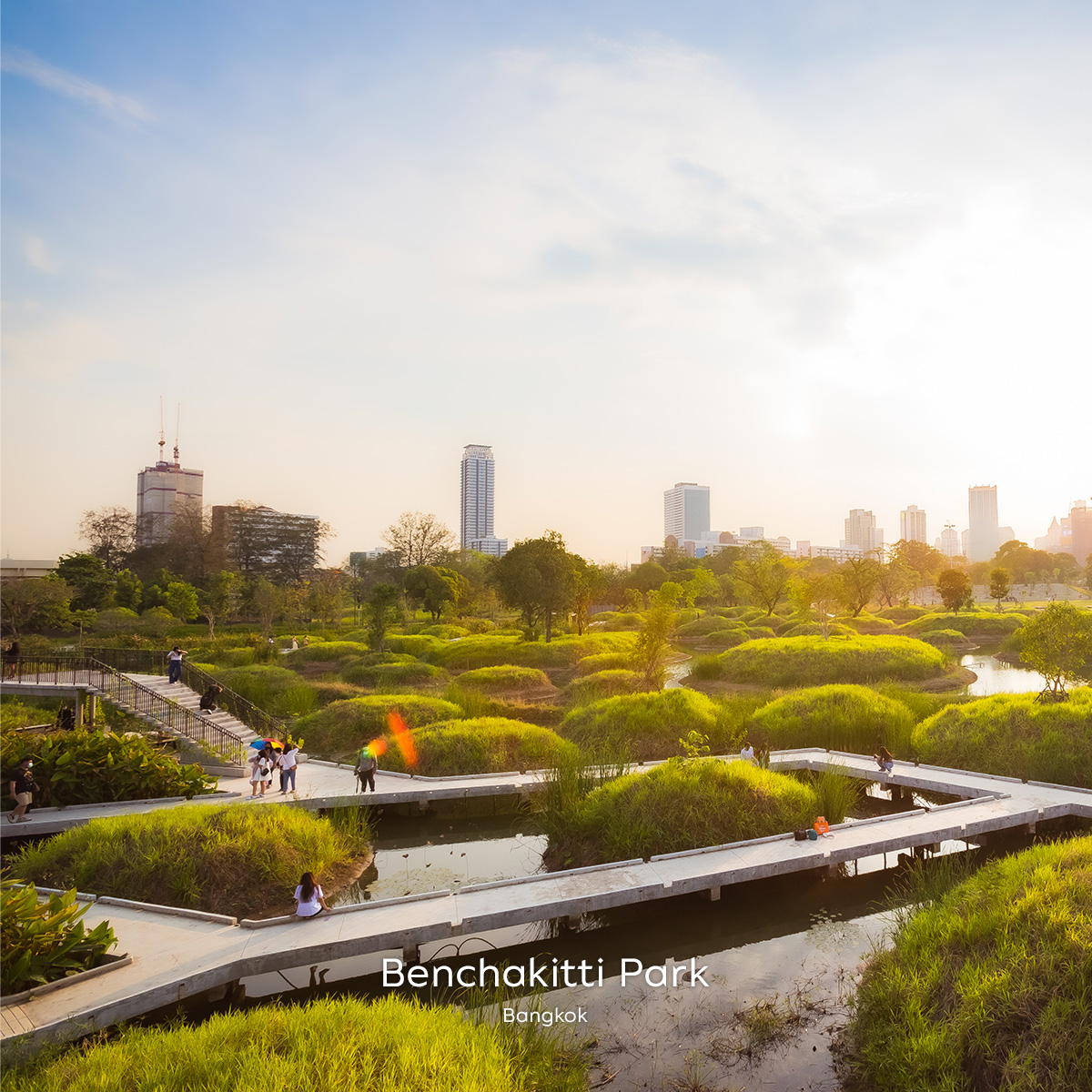
Major parks can add exercise, shade and a calmer rhythm to high-density city living.
Major parks such as Lumphini, Benchakitti and Suan Luang Rama IX offer distinctive experiences, but proximity alone does not settle the property decision. Entrances, crossings, opening times, heat, rain, traffic and the route from the lobby all affect whether a resident will actually use a space. A smaller local park reached easily may add more daily value than a famous park requiring an awkward journey.
Begin with the routine you want
Define what green space needs to do for you. A runner may value a continuous loop and early access. A family may look for play areas, toilets, seating and a route suitable for a pushchair. An older resident may prioritise shade, level paths and easy taxi pickup. A dog owner must check applicable rules rather than assume every open area is pet-friendly.
Write down frequency as well as purpose. A park used five mornings a week should be tested like a commute. A destination visited once a month can justify a longer trip. This distinction prevents buyers from paying a large location premium for an amenity that does not fit their real schedule.
Walk from the condo to the entrance
Property listings often measure distance to the edge of a park. Residents need an entrance they can use. Walk the complete route and note major roads, footbridges, junction waits, pavement condition, shade, lighting and drainage. Repeat the journey when traffic is busy and consider how it feels after dark.
Check whether the route works both ways when tired, carrying shopping or returning in rain. If a taxi or motorcycle ride is normally required, include that friction in the decision. The best green-space access is the one a resident can use consistently without turning a simple walk into a logistical exercise.
Usable access depends on entrances, crossings, opening times and the journey from the condominium.
Compare large parks with local greenery
Large parks can provide long routes, varied landscapes and a stronger sense of separation from the city. They may support running, cycling, group exercise and weekend gatherings. Their scale can also make nearby districts attractive to residents who want urban convenience without giving up outdoor time.
Local parks, canalside paths, landscaped setbacks and quiet tree-lined streets play a different role. They can support a short evening walk, children’s outdoor time or a calmer route to shops. Buyers should map several layers of green space rather than letting one landmark dominate the entire location assessment.
Inspect the condo’s own outdoor provision
A well-designed garden, terrace or pool deck can complement public space, especially during very hot or wet weather. Look at usable shade, seating, airflow, noise, maintenance and whether the area feels overcrowded at peak times. A photograph taken immediately after completion may not show how planting and surfaces have aged.
Ask how outdoor areas are maintained and whether major work is planned. Review common fees and the building’s financial position because extensive landscaping and water features require ongoing care. An attractive garden adds value only when management can sustain it.
Larger destination parks may reward a longer trip, while small local spaces can support daily routines.
Test comfort across Bangkok’s seasons
Green-space routines change with heat, heavy rain and air-quality conditions. Buyers should consider early-morning and evening access, sheltered alternatives and how the building supports indoor exercise when outdoor plans are uncomfortable. Keep expectations realistic: a nearby park does not remove the need to monitor conditions and adjust activity.
Observe water, mosquitoes, slippery surfaces and drainage after rain. Check the route during the season in which you are viewing, then ask how it changes at other times. A covered connection, convenient lift and practical lobby can be as important as the park itself when weather changes quickly.
Green space can widen the resident audience
For an investor, credible access to outdoor space may appeal to professionals, couples, families and longer-stay residents. It can make a compact unit feel more liveable because recreation is not limited to the condominium amenities. The benefit should be demonstrated through the actual route and neighbourhood rather than described with a vague claim of being near nature.
Do not assume a park view will remain open or that every tenant will pay a premium. Check orientation, heat, noise, surrounding land and competing units. A well-managed building with an easy entrance route may lease more defensibly than a higher-priced unit whose main selling point is a distant view.
Use green space to compare districts
When two condos meet the basic budget and transport brief, compare the complete liveability network: public parks, small open spaces, walkable errands, healthcare, food, culture and social life. Bangkok’s premium appeal comes from combining these choices, not from any single amenity.
A central buyer may value Lumphini or Benchakitti access alongside rail and office districts. A buyer farther east may prefer a larger home and planned trips to Suan Luang Rama IX. Neither is universally better. The right balance depends on how often the resident travels centrally, how much private space they need and what they enjoy doing outdoors.
Green-space viewing checklist
Identify the exact entrance and opening arrangements.
Walk the full route at the times you expect to use it.
Check crossings, shade, lighting and drainage.
Match facilities to running, family or mobility needs.
Assess smaller local spaces as well as major parks.
Inspect the condo’s gardens and maintenance quality.
Plan indoor alternatives for heat, rain and poor air.
Verify current rules directly before relying on a facility.
Green space rarely decides a purchase on its own, but it can make Bangkok condo life healthier, calmer and easier to sustain over many years. IBP helps foreign buyers compare homes by transport, neighbourhood and long-stay practicality. Browse our expat living guides and district guides, or contact IBP Real Estate for a lifestyle-focused shortlist.